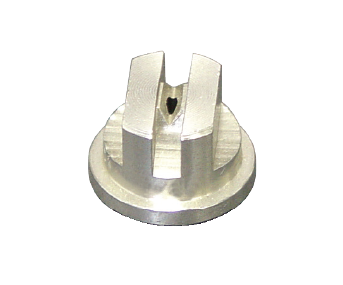
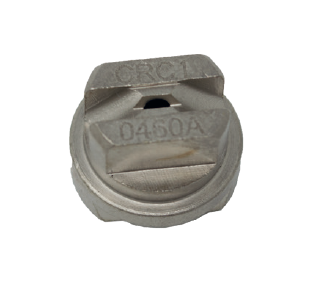
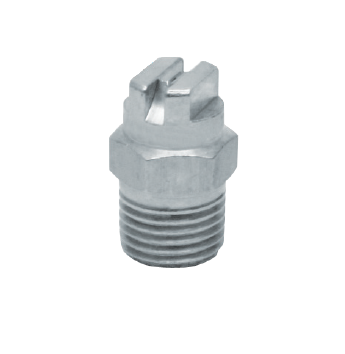
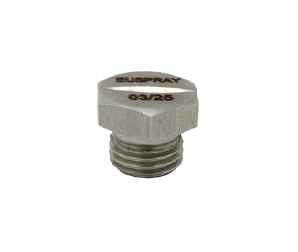
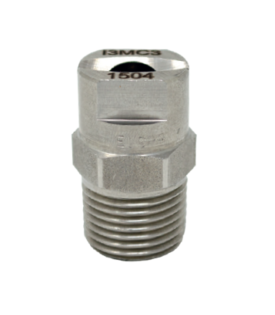
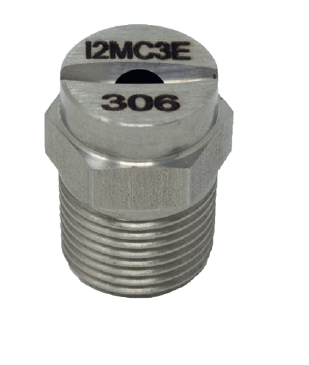
Understanding Standard Low Pressure Flat Fan Spray Nozzles
Flat fan spray nozzles are widely recognised for producing a uniform, fan-shaped spray pattern that ensures even coverage across target surfaces. Designed to operate at lower pressures than traditional nozzles, they help achieve efficient application while reducing overspray and drift. This makes them a practical choice for users seeking improved accuracy and cost-effective spraying performance.
Key Benefits of Low Pressure Operation
Using lower pressure settings provides several important advantages:
- Reduced drift potential – larger droplet sizes minimise airborne movement
- Improved efficiency – less waste and better targeting of application areas
- Lower energy requirements – decreased system pressure can reduce operational costs
- Consistent coverage – reliable spray distribution across the entire fan pattern
These benefits make low pressure flat fan nozzles particularly suitable for situations where environmental conditions and precision are critical.
Applications and Versatility
Standard flat fan spray nozzles are used across a broad spectrum of industries. Their consistent spray pattern makes them ideal for surface coverage tasks that require even distribution. From crop spraying to industrial cleaning or coating applications, their versatility allows them to adapt to different systems and operational requirements.
Choosing the Right Spray Characteristics
When selecting a nozzle type within this category, it is important to consider factors such as spray angle, flow rate, and droplet size. These elements influence how effectively the spray reaches the intended target and how well it performs under different operating conditions. Understanding these characteristics helps ensure optimal results while maintaining efficiency.
Why Consistency Matters
Maintaining a reliable spray pattern is essential for achieving uniform results and minimising rework. Standard low pressure flat fan spray nozzles are engineered to deliver predictable performance, supporting better control over application rates and coverage. This consistency ultimately contributes to improved outcomes, reduced waste, and greater operational confidence.